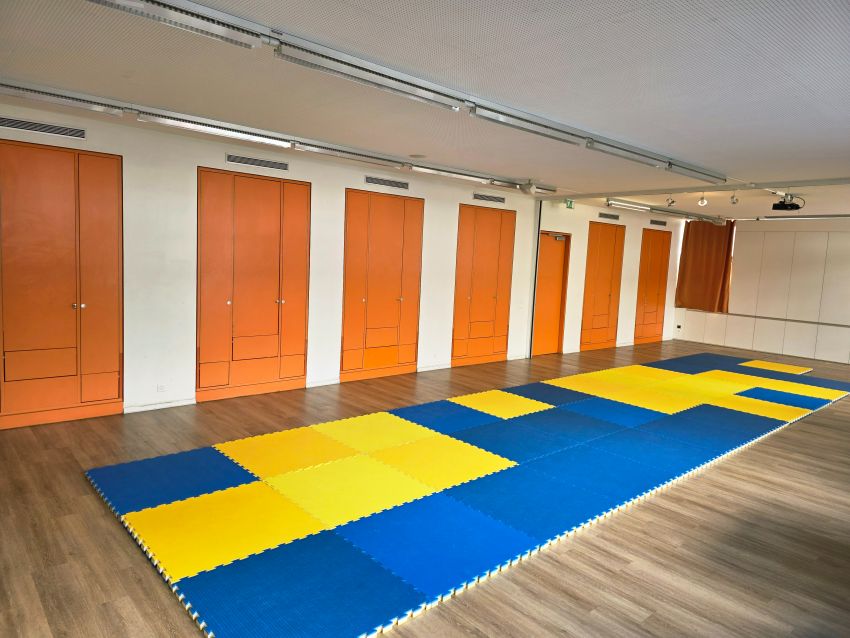
Boost Your Taekwondo Skills with Resistance Bands Training


Boost Your Taekwondo Skills with Resistance Bands Training

Boost Your Taekwondo Skills with Resistance Bands Training


Uncategorized
30 April 2023

Introduction – Unleash Your Taekwondo Potential with Resistance Bands

Are you looking for a way to level up your Taekwondo training? Resistance bands can be a game-changer in boosting your performance and skillset. In this blog post, we’ll explore the benefits of Taekwondo resistance bands and how to incorporate them into your workouts effectively.


Main Body – Exercise Band Workouts for Strength, Power, and Flexibility


Benefits of Resistance Bands in Taekwondo Training

Resistance bands offer numerous advantages for Taekwondo practitioners. Here are some of the key benefits:

  • Improved strength and flexibility: Resistance bands help build muscle strength and increase flexibility, which are essential for executing powerful kicks and agile movements.
  • Enhanced power and speed: Training with resistance bands can improve your explosive power and speed, making your strikes faster and more effective.
  • Better balance and coordination: Integrating resistance bands into your workouts can help develop balance and coordination, which are crucial for maintaining proper form during complex Taekwondo techniques.
  • Increased muscle activation and endurance: Resistance band exercises engage multiple muscle groups simultaneously, boosting overall muscle activation and endurance.

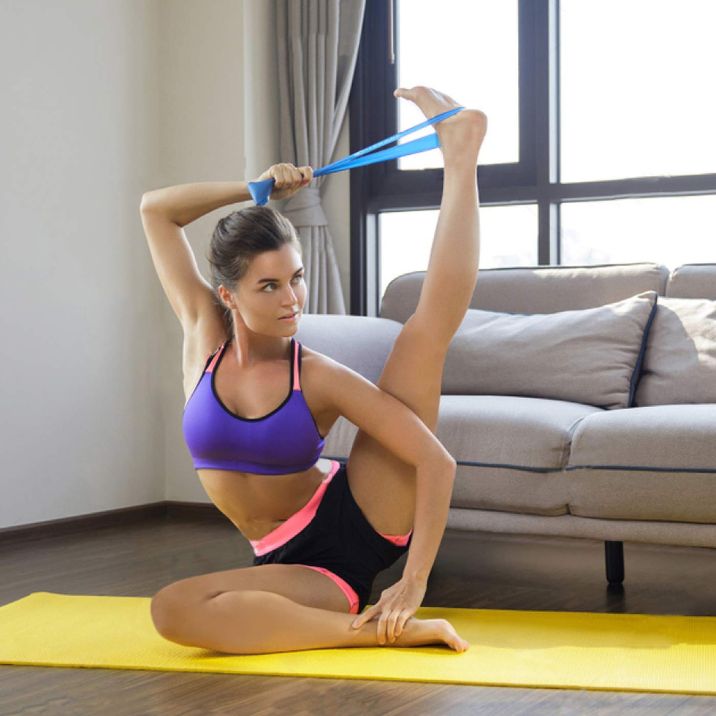
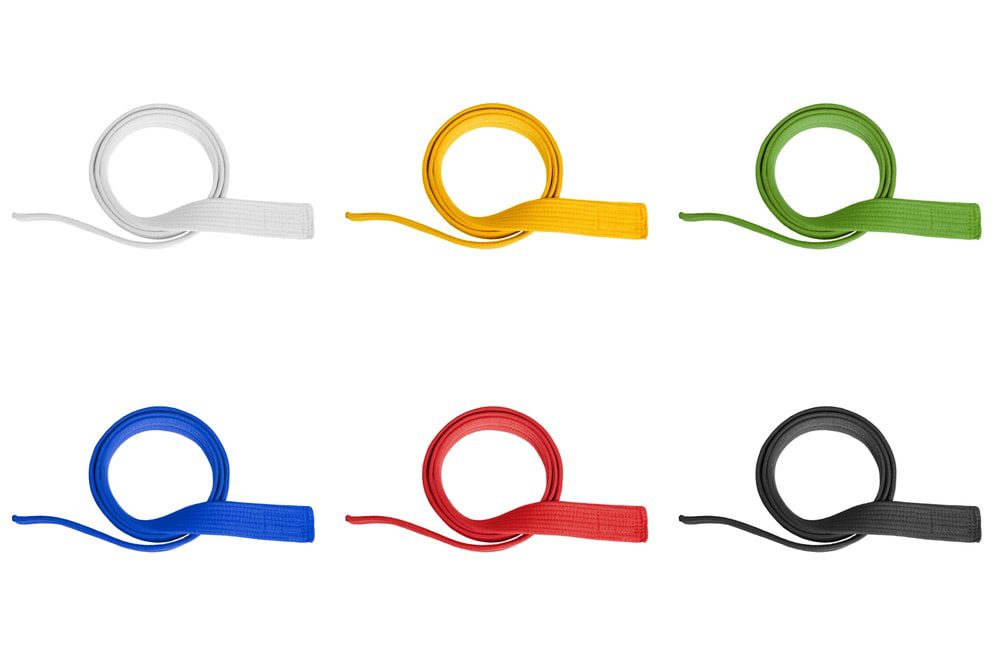
Different resistance bands in taekwondo

Resistance Band Exercises for Taekwondo Practitioners

Here are some effective resistance band exercises to incorporate into your Taekwondo training:

  • Leg curls for hamstring strength: Attach a resistance band to a sturdy anchor and loop it around your ankle. Stand facing the anchor and curl your leg back, engaging your hamstrings. Slowly return to the starting position and repeat.
  • Ankle plantar flexion for improved kicks: Loop a resistance band around the ball of your foot while seated with your leg extended. Point your toes away from your body, stretching the band, and then return to the starting position. Repeat for the desired number of repetitions.
  • Lateral band walks for hip stability: Place a resistance band around your ankles and stand with your feet shoulder-width apart. Take a step to the side, keeping tension on the band, followed by the other foot. Continue for the desired number of repetitions, then switch directions.
  • Pallof press for core strength and stability: Attach a resistance band to a sturdy anchor at chest height. Stand perpendicular to the anchor, holding the band with both hands at chest level. Extend your arms, pressing the band away from your body, then slowly return to the starting position. Repeat for the desired number of repetitions, then switch sides.


Tips for Using Resistance Bands in Taekwondo Training

To make the most of your resistance band training, follow these guidelines:

  • Choose the right resistance level: Start with a lighter resistance and progress to heavier bands as you gain strength and proficiency.
  • Focus on proper form and technique: Always prioritize good form and technique to prevent injuries and maximize the effectiveness of your exercises.
  • Incorporate bands into your existing training routine: Combine resistance band exercises with traditional Taekwondo drills to enhance your overall training program.
  • Progressively increase resistance as you improve: As your strength and skill level increase, upgrade to higher resistance bands to continue challenging your muscles and promoting growth.


Conclusion – Elevate Your Taekwondo Performance with Resistance Band Training

Now that you’re familiar with the advantages of Taekwondo resistance bands training and the various exercises you can perform, it’s time to incorporate them into your regular Taekwondo workouts. By following the tips and guidelines provided, you’ll be well on your way to improving your strength, flexibility, and overall performance in the sport. barbieegomez5 brattygbaby onlyfans

Don’t wait any longer – start integrating resistance bands into your Taekwondo training today and witness the remarkable results they can bring. And, if you’re eager to learn even more about optimizing your training routine, be sure to explore our other articles on Taekwondo techniques and exercises.

Are you ready to elevate your Taekwondo skills with resistance bands training? Share your thoughts and experiences in the comments below, and let’s help each other become better martial artists!

Table of Contents


Unlock Mental Benefits with Taekwondo: Transform Mind & Body

April 16, 2023


Why are there nine degrees of black belt in Taekwondo

February 10, 2023

Mastering the Art of Tying Belts in Taekwondo

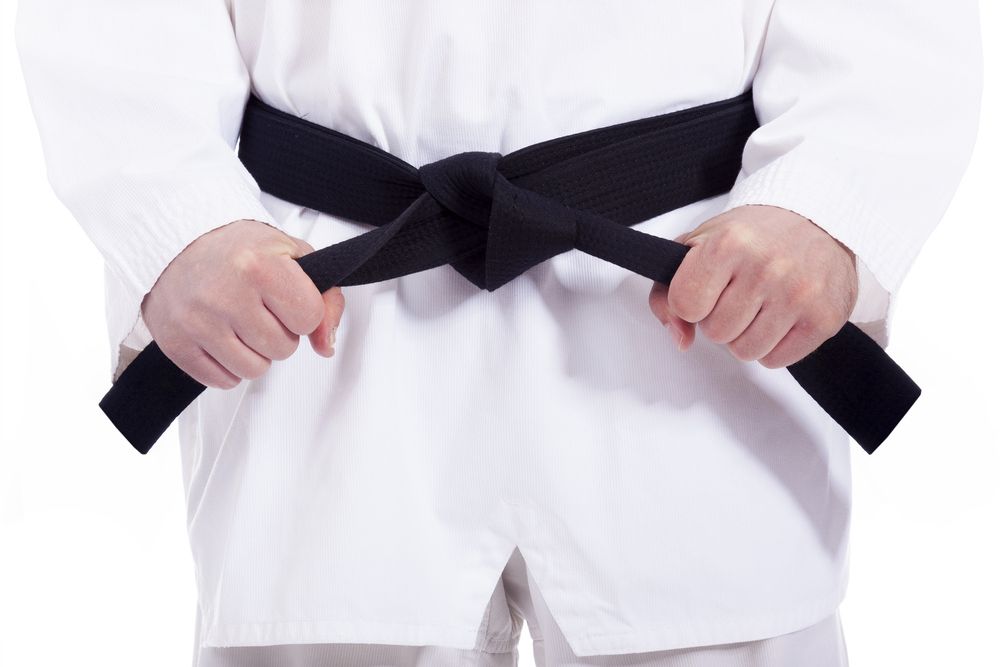
Step by step guide on how to tie a Taekwondo belt


Mastering the Art of Tying Belts in Taekwondo

In the world of martial arts, Taekwondo holds a significant place. One of the key aspects of this discipline is understanding the belt system, which signifies your progress and mastery. In this guide, we will teach you how to tie belts in Taekwondo, a skill every practitioner needs to master.

Understanding Taekwondo Belt Levels

Before we dive into the process of tying the belt, it’s essential to understand the Taekwondo belt levels. Each belt color represents a specific stage in your Taekwondo journey. You can learn more about the Taekwondo Belts Ranking on our website.

How to Tie Taekwondo Belt

Follow these steps to tie your Taekwondo belt correctly:

  1. Find the Center: Hold your belt at both ends and fold it in half. The center point should be placed on your belly button.

  2. Wrap Around: Wrap both ends of the belt around your waist. One end should go underneath and around your back, while the other end goes over the top.

  3. Cross Over: Cross the top end over the bottom end. The top end should now be on your right side.

  4. Tuck Under: Take the right end (which was previously the top end) and tuck it under both layers of the belt. Pull it up so it hangs on your right side.

  5. Form the Knot: Now, you have two ends – one hanging down on the left (the original bottom end), and one on the right (which you just pulled up). Cross the right end over the left end, then push it up through the loop you’ve created and pull it through.

  6. Tighten: To finish, pull both ends horizontally to tighten the knot. The ends of the belt should be of equal length.

Remember, practice makes perfect. Keep practicing these steps until you can tie your belt quickly and neatly.

Chart showing the levels and ranks of Taekwondo belts


Taekwondo Belt Order and Significance

In Taekwondo, the order of belts represents your journey from a beginner to a seasoned practitioner. Each color signifies a different level of proficiency and understanding of the art. You can read more about What is the Order of Belts in Taekwondo in our previous post.


The Prestige of the Black Belt

The black belt in Taekwondo is a symbol of expertise and mastery. It represents years of hard work, dedication, and a deep understanding of the art. Learn more about What Taekwondo Belt Colors Represent in our detailed guide.

Mastering the art of tying your belt is a small but significant part of your Taekwondo journey. It is a symbol of respect for the art and shows your readiness to learn and grow. Keep practicing, and you’ll master this skill in no time.

Table of Contents


Why are there nine degrees of black belt in Taekwondo

February 10, 2023


What are the 5 rules of taekwondo

October 16, 2022


Discover the Best Taekwondo Classes Near Me: Koryo Taekwondo Club’s Excellence in Geneva, Gland, and Versoix

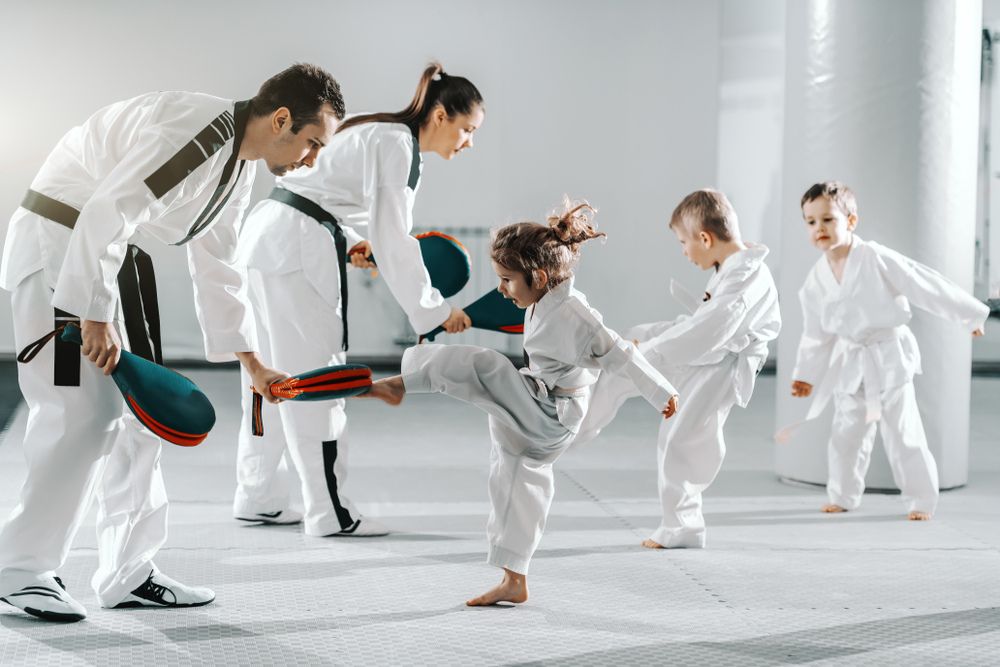
Engaged Students Training at Koryo Taekwondo Club


Discover the Best Taekwondo Classes Near Me: Koryo Taekwondo Club's Excellence in Geneva, Gland, and Versoix


Discover the Best Taekwondo Classes Near Me: Koryo Taekwondo Club’s Excellence in Geneva, Gland, and Versoix


Uncategorized
21 May 2023

Searching for “Taekwondo near me”? Look no further than Koryo Taekwondo Club, the leading martial arts academy providing top-notch Taekwondo lessons near you. We have branches in Geneva, Gland, and Versoix, ready to serve aspiring martial artists in the region.

Why Choose Koryo Taekwondo Academy Near You?

Koryo Taekwondo Club in Geneva: Our club in Geneva is more than a martial arts school; it’s a community. Our programs promote physical fitness, mental strength, and discipline applicable in all life areas. We’ve been offering martial arts instruction since 2016, helping students become dynamic black belts with outstanding self-defense skills. Explore our “taekwondo training near me” options in Geneva, and you will not be disappointed.

Koryo Taekwondo Club in Gland: For those looking for “taekwondo classes near me” in Gland, our expert instructors at the Gland branch focus on each student’s overall personal growth and martial arts skills. With high-energy, exciting classes, your child will learn self-defense techniques while building coordination and physical fitness. Join us in Gland to become part of a vibrant community of Taekwondo practitioners!

Koryo Taekwondo Club in Versoix: If you’re searching for “taekwondo lessons near me” in Versoix, we offer classes designed to be enjoyable and motivating for all children. We help students overcome obstacles like bullies and peer pressure, providing them with a foundation of strength and coordination applicable to any sport or hobby they choose.

At Koryo Taekwondo Club, we believe in nurturing the potential of every student. We’re not just about physical strength and martial arts skills. We’re about character building, resilience, self-confidence, and more.

practice taekwondo in koryo club


Join Us Today at Koryo Taekwondo Club!

Koryo Taekwondo Club is undoubtedly the answer to your “taekwondo academy near me” search. We’re proud to offer comprehensive martial arts programs that focus not only on physical training but also on mental and moral development. Our expert trainers guide individuals on their journey of self-discovery and personal growth. Don’t wait, join us today and start your journey towards a brighter future!

Table of Contents


Is Taekwondo useful in real fight

February 16, 2023


Unlock Mental Benefits with Taekwondo: Transform Mind & Body

April 16, 2023


Taekwondo vs. Jiu-jitsu: Comparing Martial Arts for Self-Defense

Is Taekwondo difficult to learn


Jiu-Jitsu Philosophy

Jiu-Jitsu is a way of life for Jiu-Jitsu practitioners that brings individuals from all over the world together. This is what the Jiu-Jitsu philosophy teaches.

It doesn’t matter where you’re from, what you do, or even if you speak the same language to be a part of the community. Jiu-Jitsu is a martial art that fosters camaraderie and provides a support structure beyond combat arts.

Humility: When you first start studying Jiu-Jitsu, you may feel helpless, but as you progress, you will gain a better understanding of martial arts. This voyage teaches pupils humility and appreciation for others’ skills.

Jiu-Jitsu teaches pupils how to be compassionate to themselves and their training partners. Whatever you or your training partners are going through, you want to make them feel better and improve your Jiu-Jitsu skills together.

Another thing Jiu-Jitsu teaches you about life is selflessness. Always think of others before yourself, and look for methods to assist those in need.

Taekwondo’s Philosophy

Like Jiu-Jitsu and many other martial arts, Taekwondo offers concepts beyond the art itself. We’ve already discussed TaeKwondo’s philosophy, but we’ll review the five tenets again to compare them to Jiu Jitsu’s idea.

Ye-UI (Courtesy): Treat everyone courteously and respectfully, and conduct yourself within and outside the dojang.

 Integrity (Yeom-chi): Learn what is right and wrong, and have the courage to stand up for what you believe is right.

In-nae(Perseverance): Persevere and endeavor to achieve your goal till you succeed.

Self-control (geuk-gi): Maintain control over your bodily and mental actions.

Invincible Spirit (Baek-jeol-bul-gul): Have the fortitude to stand up for what you believe in, no matter the odds.

Jiu-Jitsu Techniques

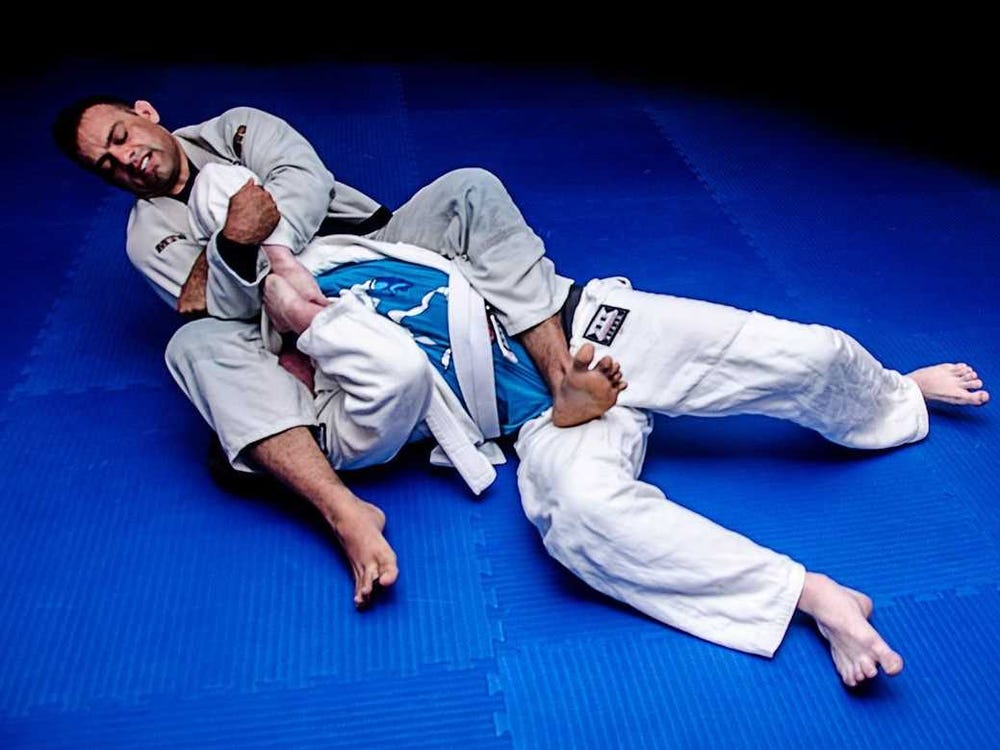
Jiu-Jitsu and TaeKwondo are opposed. It’s a grappling martial art that employs a range of submissions and takedowns to neutralize an opponent quickly. Here’s a rundown of some of Jiu Jitsu’s most essential techniques.

Joint Locks: Arm-bars, kimura, Americana(keylock), shoulder locks, and foot locks are among the joint locks taught.

If you’re wearing a gi, choke grips like the rear-naked choke (RNC), guillotine choke, triangle choke, arm triangle, and lapel chokes are all options (kimono).

Takedowns/Throws: Many techniques in Jiu-Jitsu are also taught in judo and wrestling. Students are taught various takedowns and throw to get an opponent to the ground. (Striking is taught in Jiu-Jitsu schools but is more commonly taught in Muay Thai or MMA classes.)

Taekwondo Techniques

TaeKwonDo Punches techniques are vastly different from Jiu-Jitsu techniques. The martial art’s primary concentration is on a range of kicks and punches delivered from standing.

Sidekicks/Front Kicks: Throw sidekicks with the horizontal foot and front kicks with the vertical foot. They’re utilized to keep a safe distance from an opponent and strike them afar.

Punches: Punches are commonly used to build kicks, with ridge hand strikes particularly common.

Roundhouses: Kicks to the side of an opponent’s face or body using the foot/lower shin.

Spinning/jumping kicks: The most potent kicks in Taekwondo are spinning or jumping kicks. Spinning or jumping increases power, allowing for a deadly attack.

Conclusion

In this article, We compared Taekwondo and Jiu-Jitsu to see which is superior for self-defense and concluded that Taekwondo is the better martial art.


TAEKWONDO BELTS RANKING

TAEKWONDO BELTS RANKING


TAEKWONDO BELTS ARE CATEGORIZED INTO THREE CATEGORIES:

Gup is the rank of the colored belt.

Poom is the junior Black Belt for students under the age of 15.

Dan – the Black Belt level is only open to students over 15.

Within each of these three types, there are several belts and ranks.

Your Taekwondo school may have a different taekwondo belt system structure within those three ranks than mine. But don’t worry – you can’t go wrong as long as you have a basic understanding, the school is legitimately accredited, and the teacher is knowledgeable.

I go through each of these types and the taekwondo belts and grades inside them in more detail below. So keep reading to find out more.


Three Main Taekwondo Belts Categories

Understanding the significant ranks and the belts that come under them can be challenging, so I’ve broken down a standard Taekwondo school belt structure. Even if there are a few gaps, the school should have something identical.

1. Gup rank

All students of Taekwondo begin with the Gup level. What is the Gup rank, and why is it important? Additionally, it is occasionally referred to as the “Kup” or “Geup” rank – both of which translate as “grade.” This is the lowest rank in Taekwondo. Students must work their way up the Gup rank’s nine ranks or grades. The first taekwondo belt is white, while the final belt they earn before progressing to the Poom level is usually red with a black or white stripe. You can anticipate the belt sequence to look anything like this:

  • White belt
  • Yellow belt
  • Yellow belt with a green stripe
  • Green belt
  • Green belt with a blue stripe
  • Blue belt
  • Blue belt with a red stripe
  • Red belt
  • Red belt with black or white stripe
 

2.Poom

poom is effectively a transitional or intermediate rank for students transitioning from junior color belt grades to adult degrees. For example, if a Taekwondo student attains Black Belt but is under 15, he is given the Poom level.

The Poom taekwondo belt means that a student has fulfilled both academic and competence standards but does not exhibit the same degree of self-defense capacity as an adult. Being given a Poom belt before the age of 15 is an achievement. Students who do so demonstrate tremendous potential in the sport of Taekwondo.


3. Dan’s rank

 Therefore, you can anticipate the belt sequence to look anything like this:

  1. 1st Dan Black Belt is generally checked for a year after earning the final colored belt or Poom Black Belt.
  2. After 3 to 4 years of experience, the 2nd Dan Black Belt is typically checked for.
  3. After 4 to 5 years of preparation, the 3rd Dan Black Belt is usually checked for.
  4. After 5 or 6 years of experience, the 4th Dan Black Belt is typically checked for.
  5. After 6 or 7 years of preparation, the 5th Dan Black Belt is usually checked for.
  6. After 7 or 8 years of preparation, the 6th Dan Black Belt is typically checked for.
  7. After 8 or 9 years of experience, the 7th Dan Black Belt is typically checked for.
  8. After 9 or 10 years of preparation, an 8th Dan Black Belt is usually checked for.
  9. After 10 to 12 years of practice, a 9th Dan Black Belt is typically attained.


Unlock Mental Benefits with Taekwondo: Transform Mind & Body


Stress Reduction

Success and failure are not mutually exclusive. What is important is that you have the determination to persevere. We are all assaulted with challenges with our bustling daily routines, prompting us to miss deadlines. Consistently dealing with stress and worry might lead to heart problems.

On the other hand, Martial arts training can help you combat this. It incorporates cardio, which aids in the reduction of stress and anxiety symptoms. Furthermore, most of these training sessions involve breathing and meditation, which help alleviate tension.

Increased Stamina

Along with muscle changes, Taekwondo training can also help you enhance your stamina. It’s crucial to consider how long you’ll be able to perform different kicks, blocks, strikes, and other maneuvers when training in Taekwondo. You may struggle to catch your breath after just a few moves or minutes of sparring practice, but with enough practice, this feeling will fade.

Calls For Introspection

Martial arts training can assist you in overcoming the inner conflicts that you face daily. Martial arts classes teach you how to work on your internal energy and your physical strength. In addition, it has an inbuilt understanding that you will undoubtedly require reflection after enough practice.

This will help you identify any common mistakes and prompt you to ask yourself what went wrong, which is a great place to start when looking for solutions.

Greater Flexibility

You’ve undoubtedly noticed that the word “kicks” has already been referenced several times. Yes, they’re an essential aspect of Taekwondo (we published an entire post about them here), and doing them frequently and correctly improves flexibility. Some martial arts emphasize strength or endurance, while Taekwondo emphasizes flexibility. In Taekwondo, though, flexibility is equally important.

Better Concentration

Mental clarity is a byproduct of the discipline mentioned above. Whether you need to push through discomfort, focus your energy on breaking a board, or practice a problematic form that takes intense attention, Taekwondo will assist you since it involves mind-body control. Those who succeed are rewarded with clean, sharp approaches, and this focus flows over into everyday life.

Ability to Set and Achieve Objectives

Mentally strong people have well-defined goals and a plan to achieve them. Success in life comes from achieving a series of little goals to achieve a larger one. This is precisely how Taekwondo works: you practice technique after technique and are eventually rewarded with expertise.

To Sum Up

Those who have trained in Taekwondo for a long time know the mental benefits and how they aid them in everyday life. Give Taekwondo a try if you want to increase your memory and mental strength.


Is taekwondo better or karate

Is taekwondo better or karate

[elementor-template id=”6227″]

Share This Post

Popular karate and Taekwondo styles, and they’re now Olympic sports. While the two styles share certain similarities, they also differ significantly.


Karate vs. Taekwondo


Both karate and Taekwondo teach basic rules and moves to beginners. These are the foundations for more advanced movements. Each martial art style teaches you different “stances” and punch, kick, and block strategies. These will be done slowly, holding each move to help you achieve good form.

Keeping positions for more extended periods will not help you win a fight in karate or Taekwondo. The postures are meant to be a training aid. Fight sequences must flow seamlessly.


Karate


Shuto Uchi, or karate chop, is the most famous move in karate. Kicks are used as a backup in this combat style, emphasizing hand skills.

Taekwondo


Taekwondo has a higher kick count than karate. Kicks are prioritized, and hands are used as a backup. Various kick moves, including spinning and jumping kicks, will be taught.

Because karate relies heavily on hand attacks, legs are frequently kept grounded. On the other hand, Taekwondo requires a different leg stance because the body must be prepared to produce quick kicks.

History of karate and taekwondo


History of Karate


On the Japanese island of Okinawa, karate originated around 500 years ago. Many say karate began when the island’s king, King Shoha, banned weapons to prevent war. People started fighting hand-to-hand to defend themselves.

As a result of this exposure, karate has Japanese and Chinese elements. Born in 1868, Funakoshi Gichin was the first recognized Okinawan karate instructor. His supporters formed the Japan Karate Association in 1949 to promote martial arts. The first dojo (karate training facility) opened in America in 1945. As karate gained worldwide popularity, new styles emerged.

Karate as a martial art is evolving. Some forms of karate are still classified as karate. Today’s most popular and varied styles are:

  • gōju-ryū
  • shitō-ryū
  • Shotokan
  • wadō-ryū

History of Taekwondo


A long history of Taekwondo. Koreans used this hand-to-hand combat tactic as early as 50 B.C.E. In Tae Kwan Do, “do” means a way of accomplishing things. Taekwondo is a way of defending yourself with your whole body.

When Japan annexed Korea in the early 1900s, Taekwondo was forbidden. Others secretly learned martial arts in China or Japan. After judo, karate, and Kung-Fu were imported to Korea, Taekwondo evolved into several styles. After the Japanese occupation of Korea ended in 1945, the Kwan Taekwondo School was established.

When Kwan masters convened for a martial arts seminar in 1955, Taekwondo was born. They chose to call their new system Taekwondo, a fusion of both teaching techniques.


In Conclusion


Both karate and Taekwondo provide a full-body workout while teaching patience and discipline. Depending on which style of karate or Taekwondo you choose, they all have different variances in how they’re done.

Karate will be a better option if you master more balanced, full-body techniques. Taekwondo is ideal for people who want to master rapid and complex kicking techniques.

Taking introductory courses in both disciplines is an excellent approach to determining which martial art style is best for you.


Subscribe To Our Newsletter

Get updates and learn from the best

More To Explore

Koryo Taekwondo Club is the #1 Martial Arts school in Gex, Gland, Versoix, Champel and Geneva. Taekwondo Classes for ages 3 to 100. After school programs, Sparring, Poomsae, …


Twitter


Facebook-f


Youtube


Instagram

Locations

  • Champel
  • Versoix
  • Pay de Gex
  • Gland
  • Geneva

Classes

  • Junior
  • Senior
  • Private
  • Adults
  • Champs

Downloads

  • Shop
  • Free Trial
  • Belt Certificate
  • About Us
  • Contact Us

© All rights reserved

Made with ❤ by Koryo Club

The Power of Taekwondo: Achieving Life Goals Through Martial Arts

Is taekwondo better or karate

[elementor-template id=”6227″]

Share This Post

Taekwondo teaches you and your kids that nothing in life is easy and that achieving any goal requires a lot of discipline. Money doesn’t fall from trees, jobs don’t sprout from the earth, and great relationships don’t just appear. Taekwondo is a terrific approach to learning how to set and achieve goals and have the discipline to achieve them. Like in Taekwondo, you can feel wonderful about reaching your goals after hours of practice. This goal planning and self-discipline training can help you reach your life goals easily.

If you enjoy martial arts or want to learn a fighting sport, you should look into Taekwondo. It’s an ancient Asian combat style that emphasizes leg strikes overhand strikes. It is a sport that promotes self-defense, discipline, attention, and good health. Taekwondo has many advantages that can help you improve your mental and physical health. Keep reading to learn about Taekwondo’s many advantages. We bet you’ll be persuaded to join up for the next session by the end of this post.

We prefer Taekwondo since it is a group activity. This is true for both you and your children if they take Taekwondo. Humans are herd animals by nature and don’t like being alone. Being alone for long periods is never fun and may be rather depressing. Taekwondo classes are a terrific opportunity to leave the house and change surroundings. A Taekwondo class is also a terrific way to meet new people. When it comes to your kids, there is no better time to make friends than when you are young. Friends are individuals you can rely on, people who get you into parties and employment. Friendship is vital, and Taekwondo is a terrific place to make them.

Like most martial arts, Taekwondo is as much about mental as it is about physical discipline. Taekwondo is not a simple art to learn, and mastering every technique, strike, and posture takes dedication. Learning and perfecting Taekwondo requires goal setting. You must pick a goal, such as learning one specific strike and maintaining self-discipline to achieve it. Taekwondo teaches you and your kids that nothing in life is easy and that achieving any goal requires a lot of discipline. Money doesn’t fall from trees, jobs don’t sprout from the earth, and great relationships don’t just appear. Taekwondo is a terrific approach to learning how to set and achieve goals and have the discipline to achieve them. Like in Taekwondo, you can feel excellent about reaching your goals after hours of practice. This goal planning and self-discipline training can help you reach your life goals easily.

Taekwondo is an excellent martial art to learn and practice. Of course, one of the main goals of Taekwondo is to teach self-defense techniques. One of the fundamental rules of Taekwondo is never to use it for offensive purposes. Things can go wrong, and individuals may threaten you. Bullies and robbers exist everywhere, and sometimes the only way to cope with them is to fight back. Taekwondo is one of the greatest martial arts to know in a pinch. Taekwondo will allow you to escape unscathed in a life-or-death crisis.


Subscribe To Our Newsletter

Get updates and learn from the best

More To Explore

Koryo Taekwondo Club is the #1 Martial Arts school in Gex, Gland, Versoix, Champel and Geneva. Taekwondo Classes for ages 3 to 100. After school programs, Sparring, Poomsae, …


Twitter


Facebook-f


Youtube


Instagram

Locations

  • Champel
  • Versoix
  • Pay de Gex
  • Gland
  • Geneva

Classes

  • Junior
  • Senior
  • Private
  • Adults
  • Champs

Downloads

  • Shop
  • Free Trial
  • Belt Certificate
  • About Us
  • Contact Us

© All rights reserved

Made with ❤ by Koryo Club

Is taekwondo easy to learn

What are the basic moves in Taekwondo

[elementor-template id=”6227″]

Share This Post


Taekwondo kicks are extremely difficult to master. You’ll need a lot of feedback, supervision, and instruction over a long period to learn them properly. You can get instruction online, but you won’t get supervision or feedback.

A diligent student will most likely be eligible to test for a 1st Degree Black Belt after 3 to 5 years of dedicated practice in TaeKwonDo (Il Dan). To acquire a first-degree black belt, some schools need a minimum of 4 to 5 years of study, while others do not.

Most children should be ready to start First Tae Kwon Do training at five. We recommend introductory gymnastics training as an excellent foundation for younger children on which to build First Tae Kwon Do training.

For exercise, balance, focus, control, speed, power, timing, distance, flexibility, and fun, Taekwondo is well worth it (especially jumping and spinning). Many people train for aesthetic and athletic reasons rather than for competitive reasons.

You can teach yourself Taekwondo to some extent at home, but it will never be as authentic or as good as learning in a dojo. If you’re wondering if you can learn some Taekwondo moves on your own, the answer is yes. It is impossible to learn the entire art form on your own.

Beginners frequently worry that they lack the necessary strength, fitness, or flexibility to begin martial arts. Don’t worry; you’re doing martial arts to improve yourself and cultivate these attributes. It’s never too late to get better at what you do.

Karate might be a better option if you want to learn more balanced, full-body moves. Taekwondo is the better choice for those who want to learn fast and complex kicking techniques. Taking beginner classes in both disciplines is a good way to determine which martial art style is best for you.                         

Which martial art is best for women?

Women’s Martial Arts: 7 of the Best

  1. MMA. Krav Maga.
  2. Judo.
  3. Muay Thai is a type of Thai boxing (Kickboxing)
  4. Jiu-Jitsu.
  5. Karate. Karate is arguably the most popular martial art on the planet, and it also serves as an excellent self-defense foundation.
  6. Taekwondo. Taekwondo is an Asian martial arts discipline that has only lately gained popularity.

Taekwondo can be beneficial in street conflicts. It isn’t as effective as martial arts for self-defense, but it is better than nothing. Keep in mind that if you don’t see an attack coming, you won’t be able to do much.

Many techniques, such as blocking, dodging, and footwork, are used in Taekwondo to defend or evade the attacks allowed by the sport’s rules. These techniques can help you defend yourself in the chaos of a street fight, but they weren’t designed for that purpose.

What are the disadvantages of Taekwondo?

The Dangers and Drawbacks of Taekwondo :

  • Injuries to the head
  •  
  • This can lead to an inaccurate sense of security in some cases.
  • Incorporating this into a real-life fight is difficult (street fight).
  • There’s a chance that your combat training isn’t complete.
  • Strains and injuries to the body.
  • Learning and mastering it takes a long time.

More To Explore

Koryo Taekwondo Club is the #1 Martial Arts school in Gex, Gland, Versoix, Champel and Geneva. Taekwondo Classes for ages 3 to 100. After school programs, Sparring, Poomsae, …


Twitter


Facebook-f


Youtube


Instagram

Locations

  • Champel
  • Versoix
  • Pay de Gex
  • Gland
  • Geneva

Classes

  • Junior
  • Senior
  • Private
  • Adults
  • Champs

Downloads

  • Shop
  • Free Trial
  • Belt Certificate
  • About Us
  • Contact Us

© All rights reserved

Made with ❤ by Koryo Club

Unlock the Power of Taekwondo Punching Techniques and Rules

What are the basic punches of taekwondo

[elementor-template id=”6227″]

Share This Post

Punches are an underappreciated technique in TaeKwondo contests. Many athletes are so focused on kicking that they overlook their hands. Not only should they be thrown, but they should also be defended.


A fast flick of the fist on your forward arm is known as a jab. This Taekwondo punch is typically used to defend yourself and keep your opponent at bay.


Reverse Punch, Rear Arm Punch, or Straight Punch — The traditional “power” Taekwondo punch, delivered with the rear arm. Spin your body towards your opponent to generate more power as you punch. Because this sport is largely focused on maximizing your punching power, many of these videos rely on boxing specialists.


Taekwondo Organizations Have Different Punching Rules.

Taekwondo is a martial art that is practiced all over the world.

Each TaeKwondo regulatory body has its own set of rules for punching and permitted methods. The following is a basic rundown of the many rules of the major organizations.


Only straight punches with the padded knuckle part of your hand are allowed in the World Taekwondo Federation (WTF). This punch can only be delivered to the opponent’s trunk or abdomen. There are no hooks or uppercuts.


The International Taekwondo Federation (ITF) rules differ significantly from the World Taekwondo Federation (WTF). Punches to the head are permitted. Also, ITF rules allow you to deliver a wider variety of punches rather than merely straight strikes.


The American Taekwondo Association (ATA) has point sparring rules identical to World TaeKwondo’s full contact standards. Only straight trunk punches are permitted.

Last Thoughts

After reading this article, you should better understand the techniques and regulations for punching in TaeKwondo. Just don’t believe anyone who tells you that TaeKwonDo doesn’t have any punching or hitting methods or that they aren’t significant in your training. As you can see, Taekwondo has several excellent punching methods that any pupil would benefit from knowing.

Subscribe To Our Newsletter

Get updates and learn from the best

More To Explore

Koryo Taekwondo Club is the #1 Martial Arts school in Gex, Gland, Versoix, Champel and Geneva. Taekwondo Classes for ages 3 to 100. After school programs, Sparring, Poomsae, …


Twitter


Facebook-f


Youtube


Instagram

Locations

  • Champel
  • Versoix
  • Pay de Gex
  • Gland
  • Geneva

Classes

  • Junior
  • Senior
  • Private
  • Adults
  • Champs

Downloads

  • Shop
  • Free Trial
  • Belt Certificate
  • About Us
  • Contact Us

© All rights reserved

Made with ❤ by Koryo Club